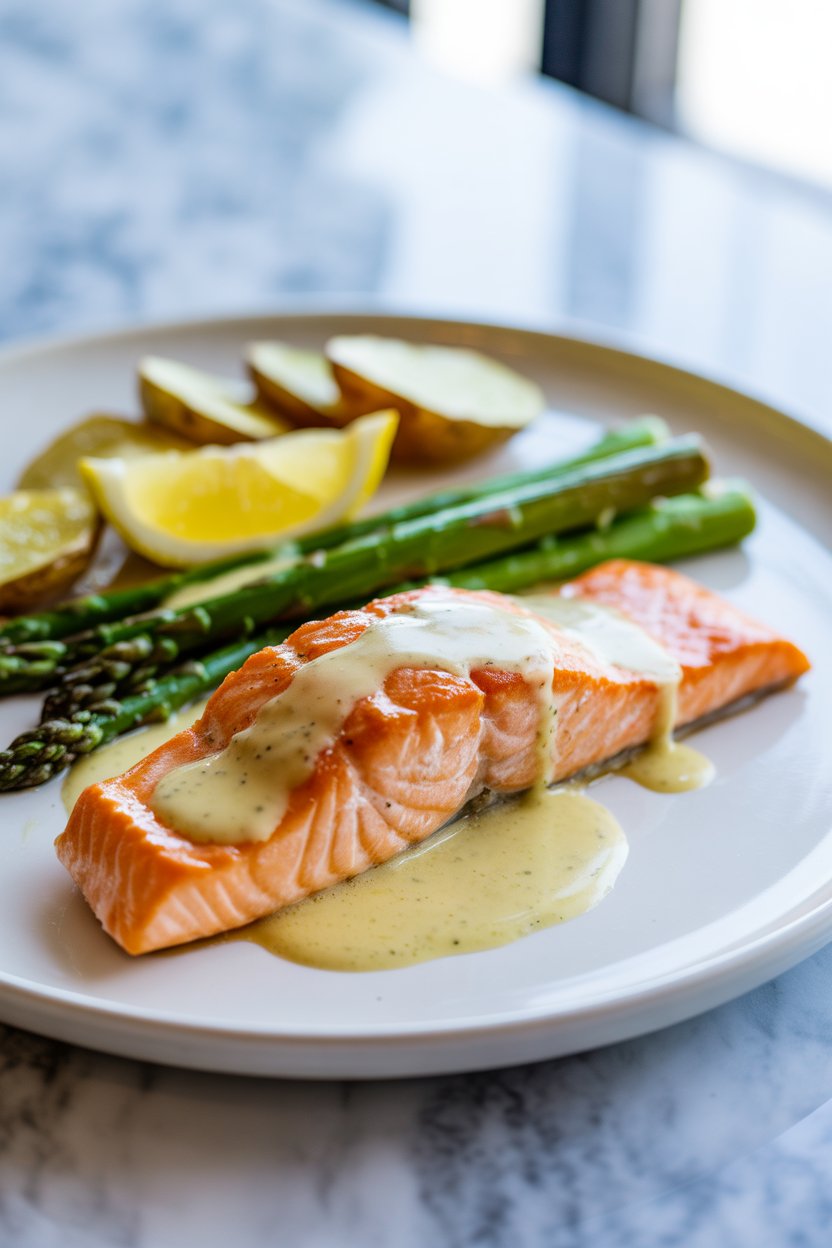
Baked Salmon with Lemon Butter Cream Sauce: The Perfect Elegant Dinner
When it comes to creating a restaurant-quality meal at home, few dishes rival the sophistication and flavor of perfectly baked salmon topped with a rich, creamy sauce. This Baked Salmon with Lemon Butter Cream Sauce combines the natural richness of fresh salmon with the bright, tangy notes of lemon and the indulgent smoothness of butter cream sauce. Whether you’re planning a romantic dinner for two or hosting a dinner party, this recipe delivers impressive results with surprisingly simple techniques.
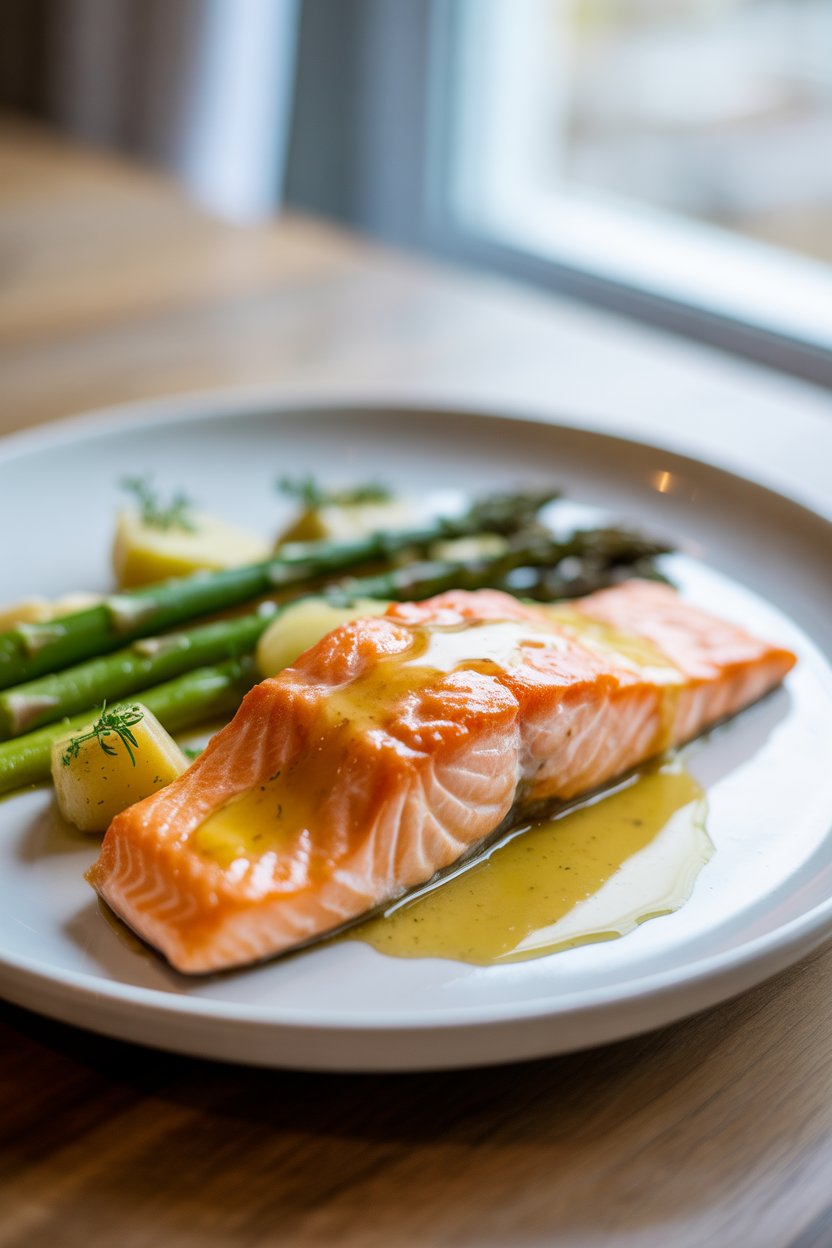
The beauty of this dish lies in its perfect balance of flavors and textures. The salmon emerges from the oven with a golden exterior and tender, flaky interior, while the lemon butter cream sauce provides a luxurious finishing touch that elevates the entire meal. This combination has become a favorite among home cooks who want to create something special without spending hours in the kitchen.
Why Choose Baked Salmon for Your Next Dinner
Salmon stands out as one of the most versatile and nutritious proteins available to home cooks. Rich in omega-3 fatty acids, high-quality protein, and essential vitamins, it offers numerous health benefits while delivering exceptional flavor. When baked properly, salmon develops a beautiful texture that’s both tender and satisfying.
The baking method provides several advantages over other cooking techniques. Unlike pan-searing, which requires constant attention and can easily result in overcooking, baking allows for more consistent results. The gentle, even heat of the oven ensures that the salmon cooks uniformly, reducing the risk of dry or overcooked portions. This makes it an excellent choice for both experienced cooks and beginners looking to master seafood preparation.
For those who enjoy experimenting with different salmon preparations, you might also appreciate trying an Asian glazed salmon dinner for a completely different flavor profile, or exploring salmon meatballs with avocado sauce for a creative twist on traditional salmon dishes.
Essential Ingredients for Perfect Results
Creating exceptional Baked Salmon with Lemon Butter Cream Sauce starts with selecting quality ingredients. Fresh salmon fillets form the foundation of this dish, and choosing the right cut makes a significant difference in the final result. Look for fillets that are firm to the touch, with bright color and no fishy odor. Skin-on fillets often provide better moisture retention during baking, though skin-off varieties work equally well.
The cream sauce requires just a few key components, but each plays a crucial role in developing the complex flavor profile. Fresh lemons provide the bright acidity that cuts through the richness of the cream and butter. Using freshly squeezed lemon juice rather than bottled versions ensures the most vibrant flavor. Heavy cream creates the luxurious texture that makes this sauce so appealing, while butter adds depth and richness.
Garlic, shallots, and fresh herbs like dill or parsley contribute aromatic elements that complement the salmon’s natural flavor. White wine, though optional, adds another layer of complexity to the sauce. Quality ingredients make a noticeable difference in the final dish, so investing in fresh, high-quality components will reward you with superior results.
Step-by-Step Baking Technique
Proper preparation and baking technique ensure that your salmon turns out perfectly every time. Begin by preheating your oven to 400°F (200°C), which provides the ideal temperature for achieving a golden exterior while maintaining a moist interior. While the oven heats, prepare your salmon fillets by patting them completely dry with paper towels. This step is crucial for achieving proper browning and preventing the fish from steaming in its own moisture.
Season the salmon generously with salt and pepper, then place the fillets on a parchment-lined baking sheet or in a baking dish. The parchment paper prevents sticking and makes cleanup easier. For even cooking, ensure that all fillets are roughly the same thickness. If some pieces are significantly thicker than others, consider butterfly-cutting the thicker portions to create more uniform pieces.
Bake the salmon for 12-15 minutes, depending on the thickness of your fillets. The internal temperature should reach 145°F (63°C) when measured with a meat thermometer inserted into the thickest part of the fillet. The salmon is done when it flakes easily with a fork and has lost its translucent appearance. Avoid overcooking, as this will result in dry, tough fish.
Creating the Perfect Lemon Butter Cream Sauce
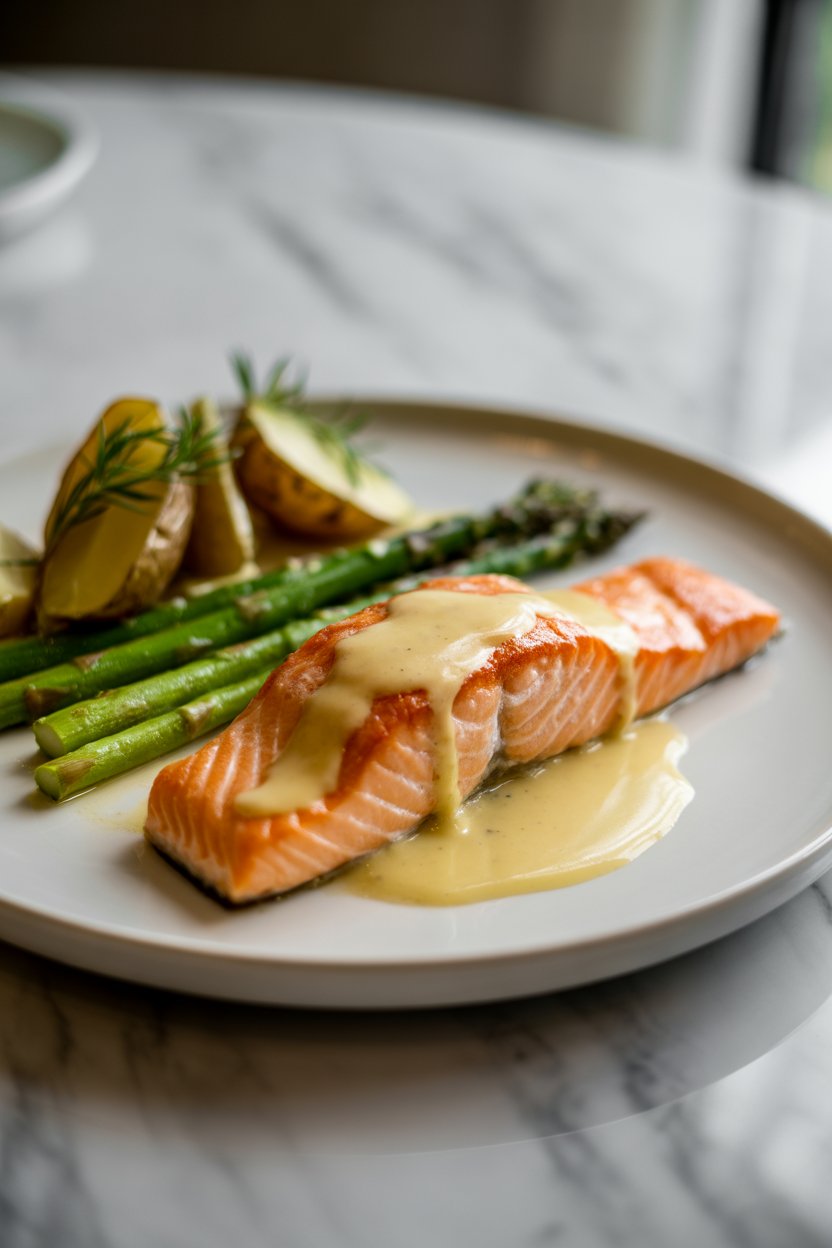
While the salmon bakes, you can prepare the signature lemon butter cream sauce that transforms this dish from simple to spectacular. Start by melting butter in a medium saucepan over medium heat. Add minced garlic and shallots, cooking until fragrant and lightly golden, about 2-3 minutes. This forms the aromatic base of your sauce.
If using white wine, add it now and let it reduce by half, which concentrates the flavors and cooks off the alcohol. Slowly pour in the heavy cream while whisking continuously to prevent lumps from forming. Bring the mixture to a gentle simmer, then reduce the heat to low and let it cook until it thickens slightly, about 5-7 minutes.
Remove the sauce from heat and whisk in fresh lemon juice, starting with the juice of half a lemon and adjusting to taste. The sauce should have a bright, tangy flavor that balances the richness of the cream. Season with salt, pepper, and fresh herbs. If the sauce becomes too thick, thin it with a splash of cream or white wine. For a silkier texture, strain the sauce through a fine-mesh sieve before serving.
This technique for creating cream-based sauces can be adapted for other dishes as well. If you enjoy creamy preparations, you might want to explore creamy salmon spinach pasta or try the rich flavors in chicken in basil cream sauce.
Flavor Variations and Customizations
One of the greatest advantages of this recipe is its adaptability to different tastes and preferences. The basic technique remains the same, but you can easily customize the flavors to create entirely new experiences. For a Mediterranean twist, add capers, sun-dried tomatoes, and fresh basil to the cream sauce. The briny capers provide bursts of flavor that complement the salmon beautifully.
Herb enthusiasts might prefer incorporating fresh dill, tarragon, or chives into the sauce. These herbs pair naturally with salmon and add aromatic complexity. For those who enjoy a bit of heat, a pinch of red pepper flakes or a dash of hot sauce can provide gentle warmth without overwhelming the delicate flavors.
Wine variations also offer exciting possibilities. While white wine is traditional, you could experiment with light red wines or even champagne for special occasions. Each type of wine contributes different flavor notes to the final sauce. Some cooks prefer to omit wine entirely, relying instead on additional lemon juice and herbs for flavor complexity.
For a lighter version of the sauce, you can substitute half-and-half or milk for the heavy cream, though the texture will be less rich. Greek yogurt can also be stirred in at the end for tanginess and additional protein while reducing the overall calorie content.
Serving Suggestions and Pairings
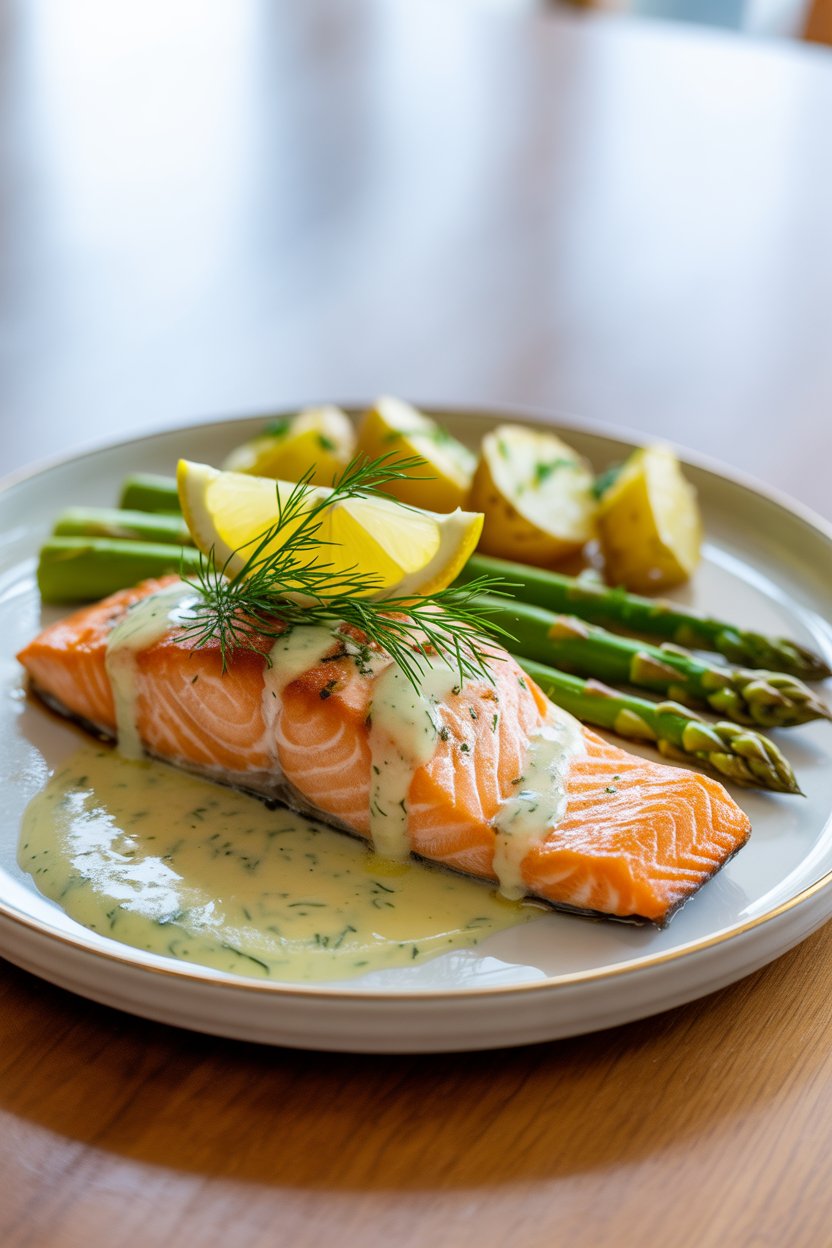
The presentation of your Baked Salmon with Lemon Butter Cream Sauce can elevate the dining experience significantly. Serve the salmon on warmed plates to help maintain the optimal temperature, and generously spoon the cream sauce over and around each fillet. A sprinkle of fresh herbs and a lemon wedge provides both visual appeal and allows diners to adjust the citrus level to their preference.
Side dishes should complement rather than compete with the rich flavors of the salmon and cream sauce. Simple roasted vegetables like asparagus, green beans, or Brussels sprouts provide color contrast and fresh flavors that balance the richness of the main dish. For heartier accompaniments, consider creamy rice pilaf, herb-roasted potatoes, or a light pasta.
The meal pairs beautifully with crisp white wines such as Sauvignon Blanc, Pinot Grigio, or Chardonnay. The acidity in these wines complements the lemon in the sauce while cleansing the palate between bites. For those who prefer red wine, a light Pinot Noir can work wonderfully with salmon.
If you’re looking for inspiration for other elegant seafood preparations, consider exploring dishes like parmesan risotto with lemon butter scallops or seared scallop bowls for your next dinner party.
Storage and Reheating Tips
Proper storage ensures that any leftover salmon remains safe and delicious for future meals. Allow the salmon to cool completely before transferring it to the refrigerator, where it will keep for up to three days. Store the salmon and sauce separately when possible, as this helps maintain the best texture and flavor in both components.
When reheating, gentle methods work best to prevent the salmon from becoming dry or overcooked. The oven method works well: place the salmon in a baking dish, cover with foil, and warm at 275°F (135°C) for 10-15 minutes. Alternatively, you can reheat individual portions in the microwave using 50% power and checking every 30 seconds.
The cream sauce can be reheated in a small saucepan over low heat, whisking occasionally to prevent separation. If the sauce appears to have broken or separated, whisking in a tablespoon of cold cream can often restore its smooth texture.
Leftover salmon works wonderfully in salads, pasta dishes, or as a protein addition to grain bowls. The cream sauce can be thinned with additional cream or broth to create a pasta sauce, or used as a base for seafood chowder.
Making It Your Own
The beauty of mastering this Baked Salmon with Lemon Butter Cream Sauce recipe lies in the confidence it provides for future culinary adventures. Once you understand the basic techniques for baking salmon and creating cream sauces, you can apply these skills to countless other preparations. The fundamental principles remain constant while the flavor profiles can vary infinitely.
Consider keeping notes about your preferred seasoning combinations, cooking times for different fillet thicknesses, and sauce consistency preferences. These personal touches transform a good recipe into your signature dish. Many home cooks find that this recipe becomes a go-to option for entertaining because it’s impressive enough for guests yet approachable enough for weeknight dinners.
For those interested in expanding their seafood repertoire further, exploring dishes like gordon ramsay shrimp scampi or crispy baked shrimp can provide additional techniques and flavor combinations to master.
This recipe represents more than just a method for cooking salmon; it’s an introduction to the satisfying world of home-cooked elegance. The combination of simple techniques, quality ingredients, and attention to detail creates results that rival expensive restaurant meals while providing the satisfaction of creating something beautiful in your own kitchen. Whether this becomes a regular feature of your dinner rotation or a special occasion centerpiece, the skills and confidence gained from mastering this dish will serve you well in countless future culinary endeavors.